The biggest shifts in consumer behavior aren’t showing up in dashboards; they live beneath the surface. Quantitative metrics fail to go deep enough to uncover emotions, cultural associations and trends that truly shape behavior. Layering qualitative depth, projective techniques, and real-time social analytics, we uncover not just what consumers say but how they actually feel, and why it matters.
Drawing on a year of public thought leadership, hundreds of client projects, and thousands of conversations with leaders across consumer goods, healthcare, and tech, we uncovered several key insights that define the ethos of the modern-day consumer and their emotional needs, backed by 25+ years of research expertise and commitment to human understanding.
1. Functional Only Wins When It Feel Effortless
What We Know
Consumers are embracing functional foods, beverages, supplements, and personal care, but they quickly reject anything that feels over engineered, expensive, or mentally taxing. More benefits don’t equal better if they introduce confusion, skepticism, or decision fatigue.
What it Means
Functionality must be invisible. Clean-label ingredients, natural cues, and intuitive benefit framing build trust faster than technical sophistication. Over-explaining undermines confidence while simplicity accelerates adoption.
How Brands Should Act
⋅ Design around one clear primary benefit
⋅ Translate function into plain-language outcomes (e.g., how it helps me feel)
⋅ Use ingredient transparency as reassurance, not education
⋅ Pressure-test packaging, pricing, and claims for perceived over-engineering
Takeaway The best functional products don’t feel functional – they feel obvious and easy.
2. Women Are Redefining Wellness as a Lifelong Journey
What We Know
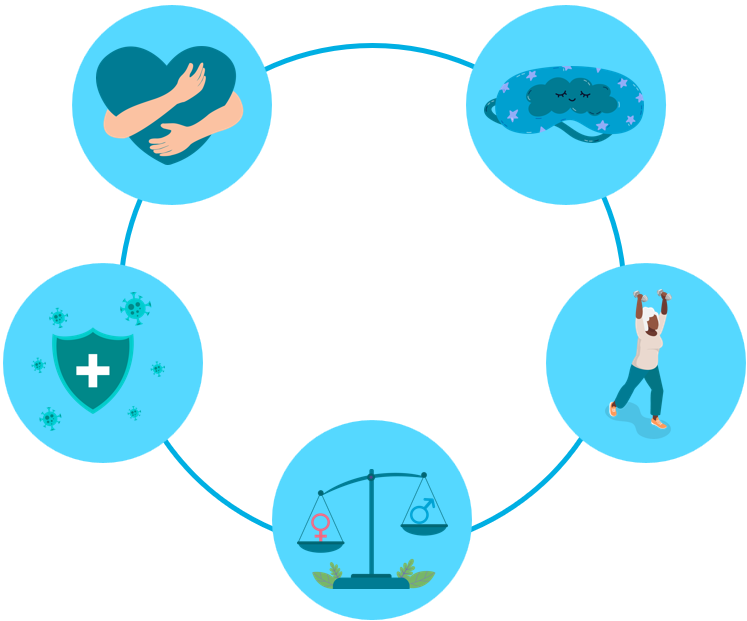
Wellness for women now encompasses emotional security, hormonal balance, sleep, self-compassion, preventative health, and long-term quality of life. Younger women, especially Gen Z and Millennials, want personalized, tech-enabled, natural solutions. Older women seek effectiveness, clarity, and doctor-backed guidance.
What it Means
Longevity, not beauty or fitness, is the new organizing principle. Women want to understand, personalize, and evolve their wellness on their own terms.
How Brands Should Act
⋅ Build modular systems that evolve across life stages
⋅ Design offerings that connect emotional,
physical, and preventative needs
⋅ Position brands as long-term partners, not episodic fixes
Takeaway Brands win by reducing fragmentation and supporting women across decades, not moments.
3. Emotional Wellbeing is the Gateway to Longevity
What We Know
Mental health, stress management, and emotional balance are the strongest drivers of wellbeing across generations, ranking higher than many physical health factors. Emotional strain like time pressure, anxiety, cognitive load is the biggest barrier to sustaining
healthy behaviors.
What it Means
Longevity is an emotional sustainability challenge. If women feel overwhelmed or depleted, even the best physical solutions won’t stick. Emotional support is not a “nice to have” but it enables everything else.
How Brands Should Act
⋅ Lead with emotional relief (e.g., calm, reassurance, control)
⋅ Design experiences that actively reduce stress and pressure
⋅ Normalize imperfection rather than constant optimization
Takeaway If a solution doesn’t support women emotionally, it won’t support them long-term.
4. In Healthcare, Empathy Drives Action While Proof Builds Confidence
What We Know
Patients respond to performance metrics initially, but emotional reassurance drives choice and loyalty. In CGM and other health contexts, patients move from anxiety to empowerment. Messaging must reflect that journey.
What it Means
Data alone informs but empathy motivates. Claims are most effective when delivered through narratives that mirror the
patient’s emotional progression.
How Brands Should Act
⋅ Lead with reassurance, then reinforce with proof
⋅ Map messaging to emotional stages (moving from fear to understanding and then to empowerment)
⋅ Bundle claims intoholistic stories, not feature lists
Takeaway
The most effective healthcare messaging makes patients feel supported and capable, not just informed.
5. Nostalgia is Less About the Past But More About Reclaiming Control in the Present
What We Know
Nostalgia functions as an emotional coping mechanism in times of uncertainty and overload. Consumers, especially Gen Z, use nostalgic cues to feel grounded, safe, and in control, even when referencing eras they never lived.
What it means
Nostalgia isn’t about the past; it’s about offering relief from modern complexity. Familiar sensory cues and rituals matter more than retro storytelling or archival references.
How Brands Should Act
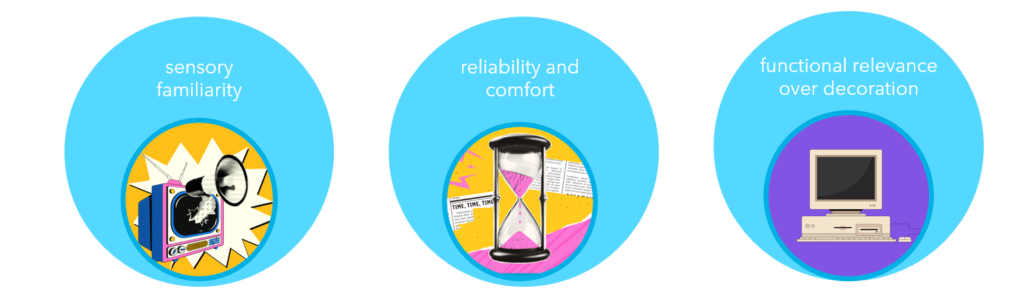
⋅ Activate nostalgia through sensory familiarity (such as texture, sound, ritual)
⋅ Use nostalgia to signal ease, reliability, and comfort
⋅ Avoid decorative retro plays without functional relevance
Takeaway Nostalgia succeeds when it reduces friction today, not when it recreates yesterday.